



When to Use PPE in Healthcare: A Practical Guide
07/01/26
Key Takeaways
PPE should be used whenever there’s a realistic chance of exposure to hazards like blood/body fluids, respiratory droplets, or contaminated surfaces - it’s a key barrier against cross-infection in care settings.
Take a task-based risk assessment approach: before each interaction, consider what you might be exposed to and what barrier is needed.
In care homes, PPE use is especially important before likely-contaminating contact, between residents (and between tasks), and during cleaning, spill response, waste disposal, laundry handling, and illness precautions (e.g., coughs, vomiting/diarrhoea).
PPE needs correct timing: put it on immediately before the task, remove it safely straight after, and perform hand hygiene at every stage.
Match PPE to the risk: gloves for body fluids/non-intact skin/chemicals (change between tasks; don’t wash/reuse), masks/eye protection for droplet/AGP/splash risk, and aprons for splash/soiling or contamination transfer risks.
PPE works best alongside strong hygiene systems: standardise “points of use” (where staff don/doff), and support PPE with robust cleaning and janitorial routines to reduce cross-contamination.
When Should PPE be Used in Healthcare?
Personal Protective Equipment (PPE) is a simple but essential line of defence in care settings. Used correctly, it protects residents, visitors, and staff by reducing the risk of cross-infection and creating confidence in day-to-day care. This guide answers when should PPE be used in healthcare, what to wear for common tasks in care homes, and how to stock the right items so your team can work safely and efficiently.
Need Quick PPE Advice or a Quote?
Our UK-based sales team are here to answer any questions regarding PPE and the best-in-class products we stock and provide to care environments across the country.
Common Applications of PPE
In short, PPE is commonly used whenever there’s a realistic chance of exposure to hazards such as blood or body fluids, respiratory droplets, or contaminated surfaces.
In a care home or clinical environment, that typically includes:
Personal care and dressing changes - when there’s potential contact with bodily fluids or non-intact skin.
Aerosol-generating procedures - activities that increase respiratory particle spread, where face masks/respirators and eye protection are especially important.
Cleaning, waste handling and laundry - to prevent exposure to chemicals, splashes, and contaminated items.
Isolation/precautionary care - when supporting residents with suspected or confirmed infectious illness.
Food prep and medication rounds - apron and hand protection can reduce cross-contamination between tasks.
A good rule of thumb is a task-based risk assessment. Before each interaction, ask these questions: “What might I be exposed to?” & “What barrier is needed?”.
It’s crucial for the safety of you, those you care for, and your colleagues that you put on PPE immediately before the task and remove it safely straight after, performing hand hygiene at every stage.
Shop Our Leading PPE for Your Care Home
Make sure your team can reach the right item at the right moment with dependable, compliant supplies:
Gloves
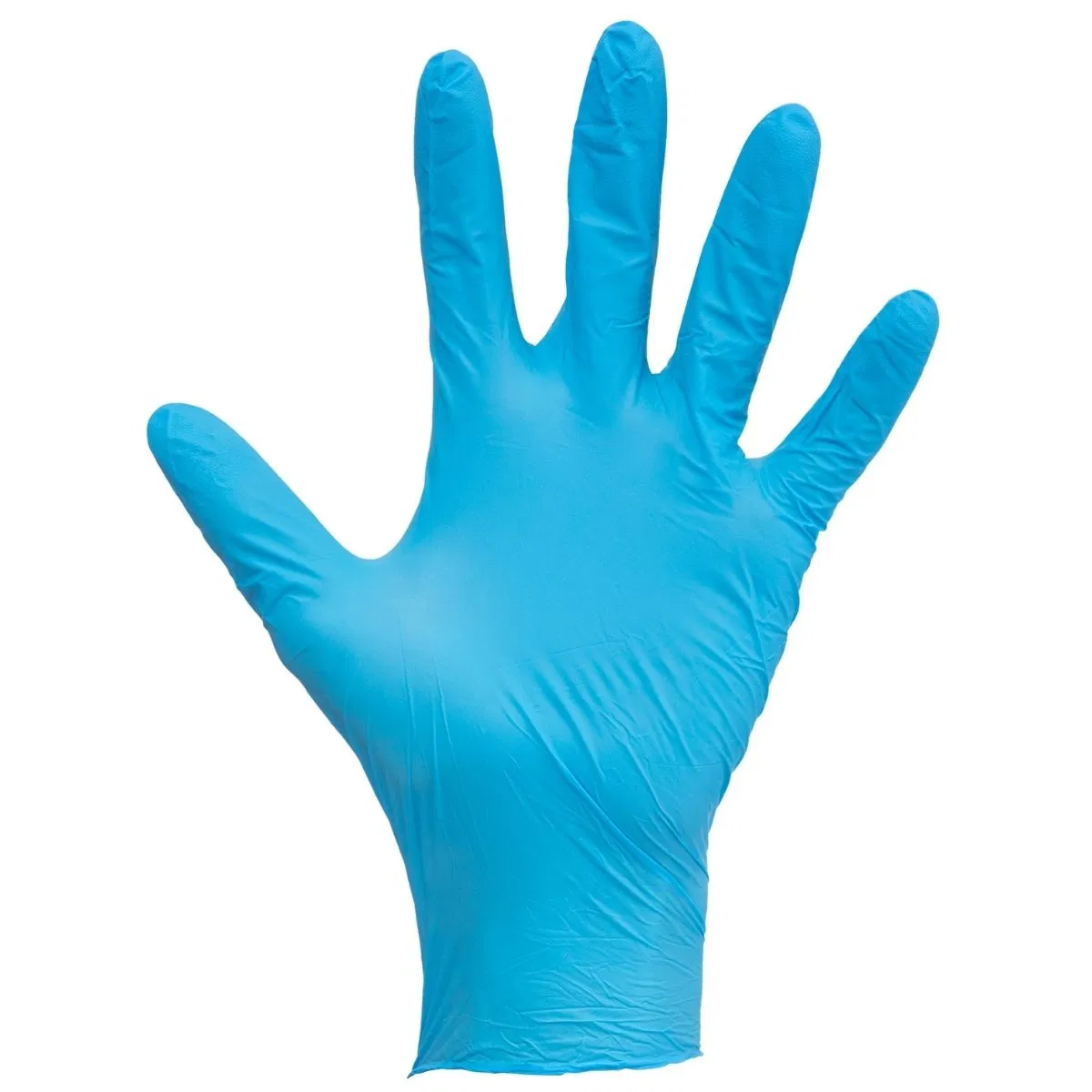 Nitrile and vinyl options for routine care, personal care, and housekeeping tasks. Choose sizes for a secure fit that supports dexterity and reduces hand fatigue.
Face Masks & Protective Wear
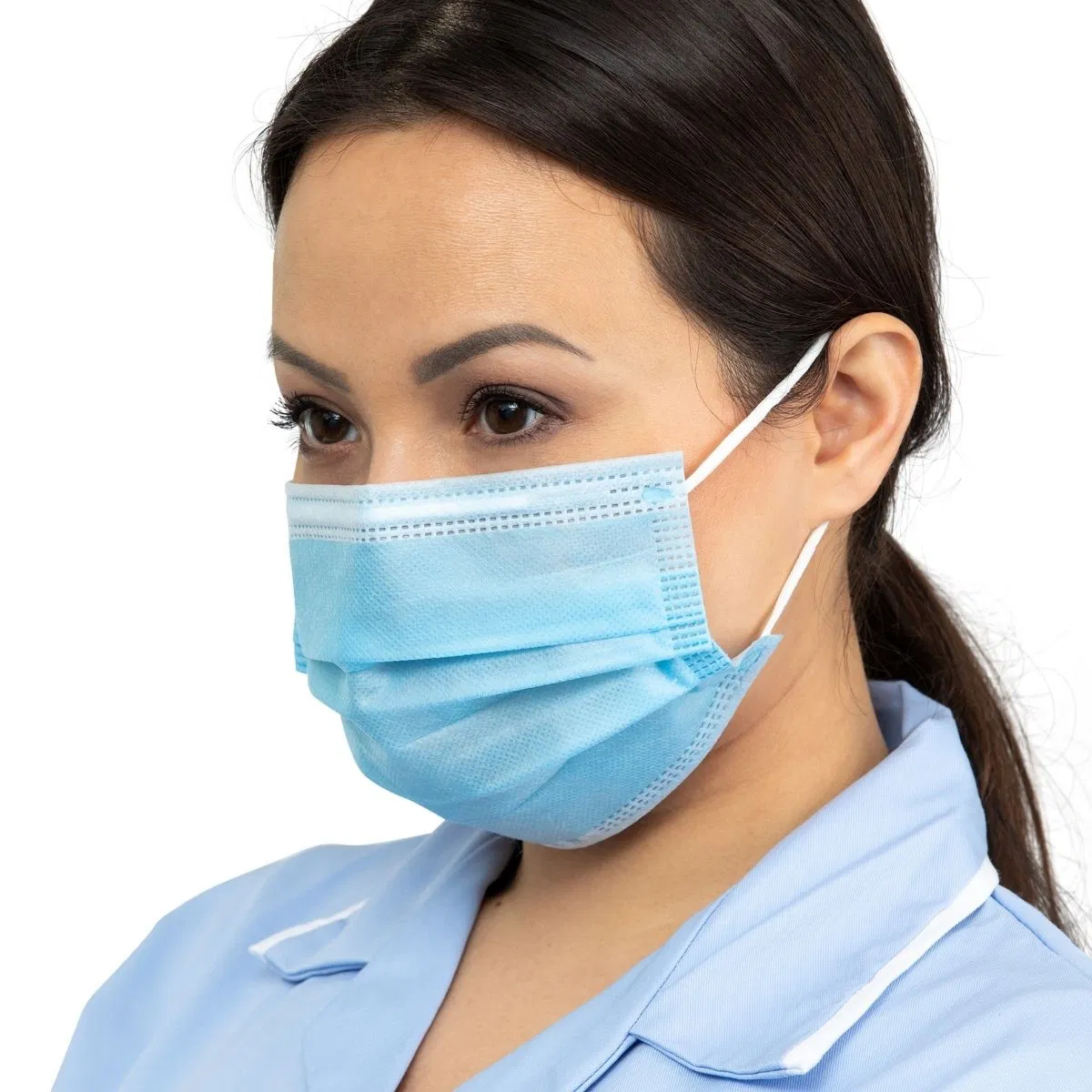 Surgical masks, respirators, visors and goggles for droplet and splash protection. Keep a mix available to match task risk.
Aprons
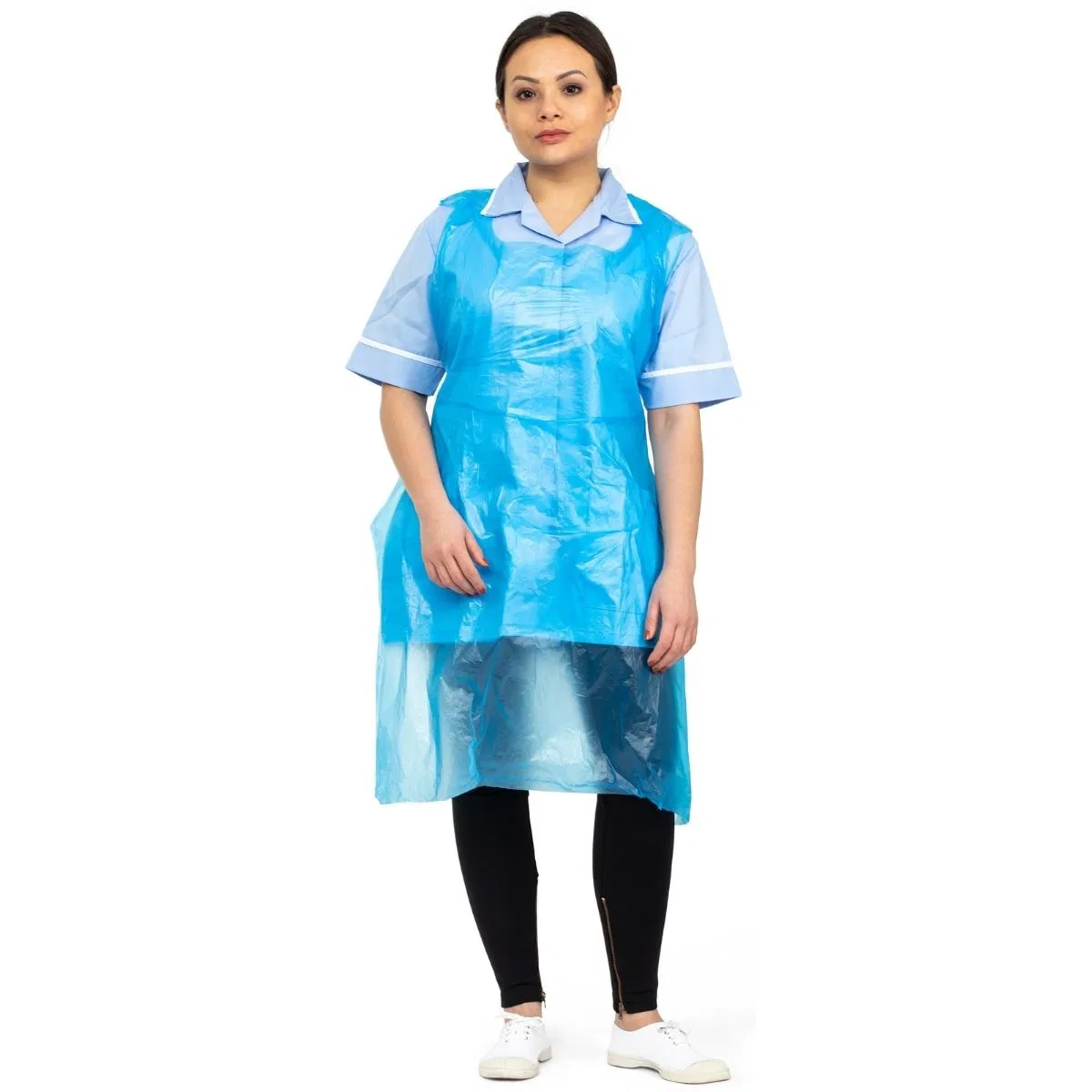 Lightweight, disposable protection to prevent uniform contamination during meals, personal care, and cleaning.
PPE Dispensers
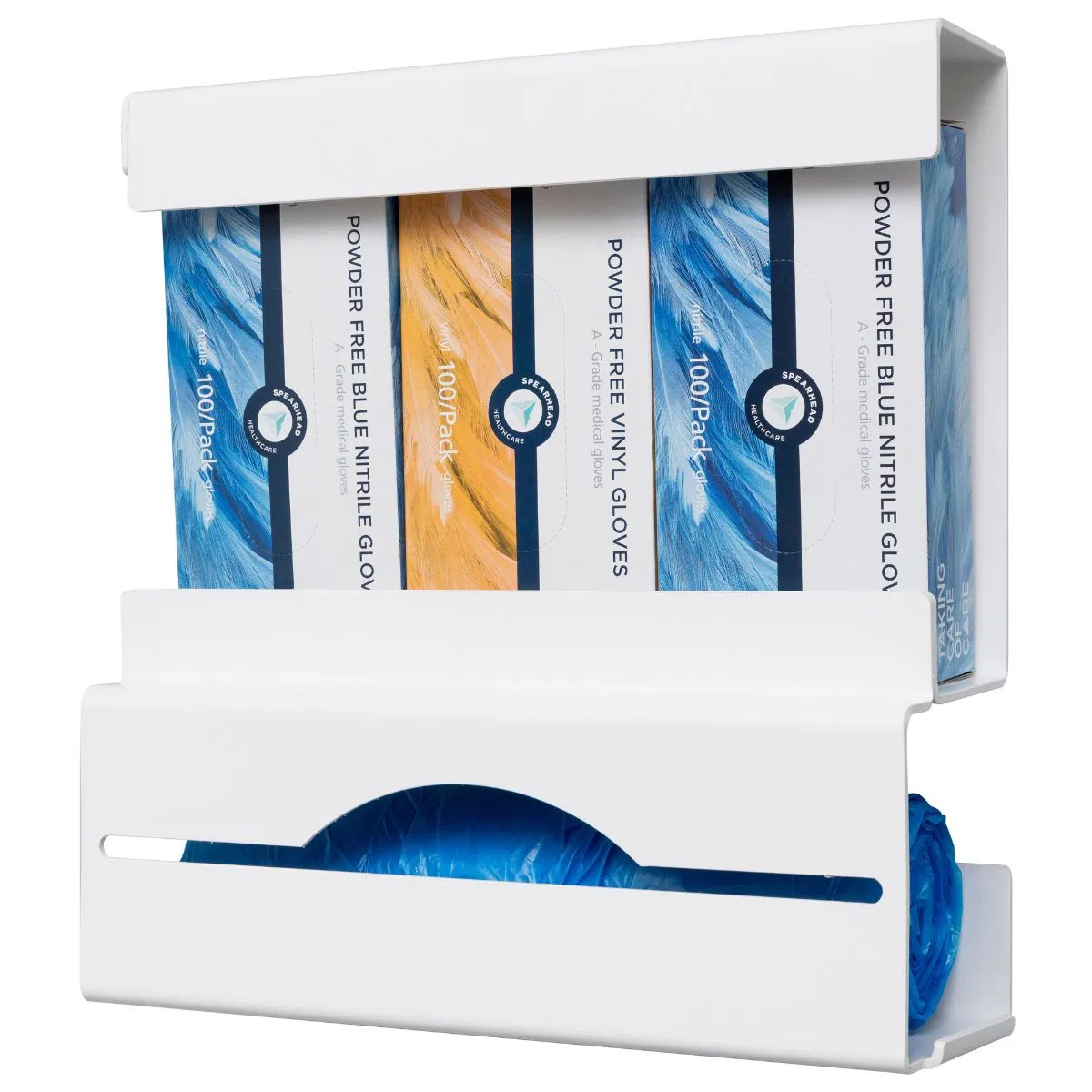 Wall-mounted glove, apron and mask dispensers that improve workflow, help standardise stations, and encourage correct usage.
Tip: Standardise your PPE “points of use” (resident rooms, treatment trolleys, sluice room, cleaning stations) so staff always know where to don and where to dispose of PPE.
Let’s Get Specific: When Should PPE be Worn in Care Homes?
As you are well aware, care homes are dynamic spaces. Staff often move quickly between residents, rooms, and roles, so it’s critical to know when certain PPE should be worn.
For a care home, our advice is use PPE:
Before direct contact with a resident or their environment, when contamination is likely.
Between residents and between tasks with the same resident—change gloves and aprons to avoid spreading microorganisms.
During cleaning, spill response and waste disposal, including handling sharps boxes and clinical waste.
When caring for residents with coughs, vomiting or diarrhoea, where droplet or contact transmission risks are higher.
When decanting chemicals or handling laundry that is soiled or infected.
Don’t Forget the Cleaning Backbone: Our Janitorial Range
Remember, PPE complements but never replaces strict hand hygiene and routine environmental cleaning - PPE works best alongside rigorous hygiene routines.
Our Janitorial range covers everyday essentials such as disinfectants, surface cleaners, wipes, laundry solutions, cloths, mops and bins - many available in colour-coded options to help reduce cross-contamination. Stocking these alongside PPE makes it easier to maintain high hygiene standards in kitchens, bathrooms, resident rooms and communal spaces, protecting both staff and residents.
When to Wear: a Quick Guide
(Always follow your local policy and training.)
Gloves - for contact with blood, body fluids, mucous membranes, non-intact skin, or when using cleaning chemicals. Change between tasks and never wash/reuse single-use gloves.
Face masks & protective wear - for respiratory protection (droplets/particles), during AGPs, or if a resident is symptomatic. Consider eye/face protection if splashing is possible.
Aprons - for tasks with splash/soiling risk or where clothing may transfer microorganisms between areas.
Why Choose Spearhead for PPE?
 From gloves to janitorial supplies, Spearhead is built around the daily realities of care environments. We focus on reliable quality, straightforward ordering, and helpful guidance, so you can concentrate on great care.
Learn more about our approach on the Why Choose Spearhead page.
Test PPE At Our Showroom
 Prefer to see PPE products up close? Our specialists can walk you through PPE set-ups, dispenser layouts, and hygiene solutions to suit your space.
Plan your visit to the Spearhead Showroom and get hands-on with popular items.
Spearhead helps you make informed PPE choices
Knowing when PPE should be used in healthcare, and setting up simple, consistent stations, reduces risk, supports compliance, and protects your community.
If you’re reviewing your PPE or hygiene provision, our friendly team can help you map products to tasks and build a clear, practical list for your care home space.
Ready to talk about PPE?
This article provides general guidance for care settings. Always follow your organisation’s policies and current training for PPE selection, donning/doffing, and waste management.


© 2025 Spearhead. All rights reserved.
This website uses cookies to ensure you get the best experience. Learn more