


LOLER Meaning: The Importance of LOLER and PUWER in a Care Home
22/12/25
Keeping residents safe, comfortable and dignified sits at the heart of every good care home.
Regulations like LOLER and PUWER might feel very technical at first glance, but they exist to support exactly those goals by making sure the equipment you use every day is safe, well-maintained and used correctly.
In this guide, we’ll explore the LOLER meaning and PUWER meaning in clear, practical terms, explaining what inspections are required, and discussing how your choice of equipment can make day-to-day compliance much simpler.
Key Takeaways
LOLER (Lifting Operations and Lifting Equipment Regulations 1998) covers equipment used to lift people or loads in your care home, such as hoists, slings and bath hoists, and sets rules around safe use, inspections and maintenance.
PUWER (Provision and Use of Work Equipment Regulations 1998) applies more broadly to work equipment like profiling beds, baths, trolleys and cleaning machines, making sure they’re suitable, maintained correctly, and used safely.
Understanding what is LOLER and what is PUWER helps care home managers plan regular inspections, keep accurate records and protect residents, visitors and staff.
LOLER and PUWER work together: most lifting equipment (like hoists) is covered by both sets of regulations in different ways.
Choosing high-quality, well-designed equipment, such as Spearhead Healthcare’s Transfer Aids, Bath Hoists, Profiling Beds and Baths, makes it easier to meet regulatory requirements and maintain a safe, efficient care environment.
Partnering with an experienced supplier like Spearhead means you get reliable equipment plus practical support with selection, maintenance planning and replacement cycles. We offer robust servicing that includes: Equipment Installation, Equipment Maintenance, and Product Training and Compliance.
Discuss LOLER and PUWER with a Spearhead Specialist
If you’re reviewing your equipment or simply want to sense-check your approach to LOLER and PUWER in your care home, our friendly team is here to help.
We work with care providers across the UK and understand the demand to keep residents safe while managing budgets and staff capacity.
So, What Is LOLER? - LOLER Meaning for Care Homes
LOLER stands for Lifting Operations and Lifting Equipment Regulations 1998. In simple terms, LOLER sets out how lifting equipment should be selected, used, inspected and maintained so that people aren’t put at risk.
In a care home setting, what is LOLER really about in day-to-day practice?
Making sure the lifting equipment you use is suitable for the person and the task.
Ensuring each lift is properly planned and carried out by trained staff.
Checking that equipment is inspected at the right intervals by a competent person.
Keeping clear records of those inspections and any repairs.
Examples of LOLER Equipment in a Care Home
Common items that typically fall under LOLER in a care environment include:
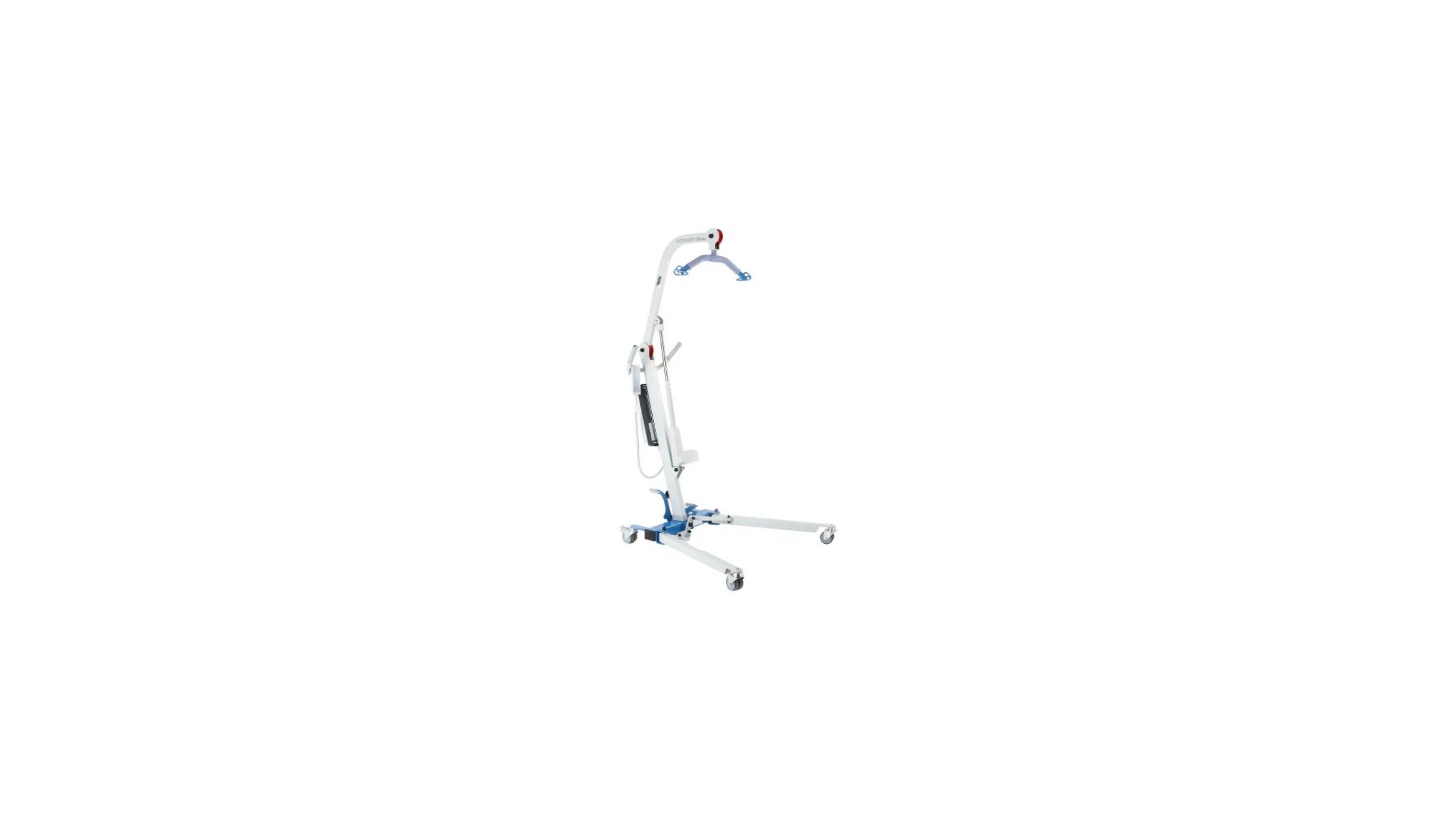
Mobile patient hoists and ceiling track hoists.
Hoist slings and certain standing aids.
Bath hoists used to transfer residents in and out of the bath.
Other lifting accessories such as spreader bars and scales.
LOLER applies whenever you’re lifting or lowering a load, and when that “load” is a person, the regulations are particularly strict to protect their safety and dignity.
When you’re choosing new equipment, selecting products designed specifically for safe lifting in care settings can support your LOLER responsibilities. For example:
Transfer Aids: Our carefully selected Transfer Aids range helps you carry out safe resident transfers using equipment that’s designed with robust safety features and clear weight limits.
Bath Hoists: Our Bath Hoists collection offers practical solutions for safe, dignified bathing, supporting LOLER requirements around suitability and safe lifting.
By combining the right equipment with strong inspection routines, you can make LOLER compliance a natural part of everyday care.
Next, What Is PUWER? - PUWER Meaning in Care Settings
PUWER stands for Provision and Use of Work Equipment Regulations 1998. While LOLER focuses specifically on lifting operations, PUWER is broader. It covers almost all work equipment used by employees, and in many cases, equipment used by residents under supervision.
So, what is PUWER in practice?
Under PUWER, employers must make sure that:
The equipment is suitable for its intended use.
Equipment is maintained in a safe condition and inspected where appropriate.
Staff receive adequate information, instruction and training.
Risks from using equipment are properly assessed and controlled.
In a care home, this will include many everyday items beyond hoists.
Examples of PUWER Equipment in a Care Home
Typical examples of equipment likely to come under PUWER include:
Profiling beds, motorised beds with adjustable sections and rails.
Assisted baths and height-adjustable baths.
Cleaning machines like scrubber-dryers and floor polishers.
Kitchen equipment such as mixers, slicers or dishwashers.
Laundry machines.
Trolleys and other mobile equipment used by staff.
To support your PUWER meaning obligations, it helps to invest in equipment built for care environments and supported by reliable servicing from a trusted partner like Spearhead.
When you combine quality equipment, regular servicing and trained staff, you’re well on your way to robust PUWER compliance.
Profiling Beds: Our range of Profiling Beds is chosen for safety, durability and ease of use, helping you meet PUWER requirements for suitable, well-maintained work equipment.
Baths: Our specialist Baths range includes equipment designed for assisted bathing, with features that support safe use for both residents and staff.
LOLER vs PUWER: What’s the Difference?
Because many items in a care home are both “lifting equipment” and “work equipment”, it’s easy to get confused between LOLER and PUWER.
A simple way to look at it is:
LOLER focuses on lifting operations and the lifting equipment itself.
PUWER focuses on all work equipment, including how it’s provided, maintained and used.
For example:
A mobile hoist will usually be covered by both LOLER (for the lifting element and 6-monthly thorough examinations for equipment used to lift people) and PUWER (for general safety, suitability and training).
A profiling bed is typically covered by PUWER, and may be considered under LOLER where it incorporates lifting components or is used as part of a lifting task.
Rather than treating them as competing regulations, it’s helpful to see LOLER and PUWER as working together to create a complete safety picture within the care home space.
Who Is Responsible for LOLER and PUWER in a Care Home?
Ultimately, the employer or care home provider holds responsibility for compliance with both LOLER and PUWER.
In practice, this responsibility is usually shared across:
Registered managers and senior leaders.
Maintenance and facilities teams.
Manual handling leads or health and safety coordinators.
External service partners who carry out inspections and repairs.
Key responsibilities include:
Keeping an up-to-date inventory of equipment subject to LOLER and/or PUWER.
Making sure inspections are booked and carried out at the correct intervals.
Ensuring staff are trained in safe use and basic pre-use checks.
Taking faulty equipment out of service promptly and documenting actions taken.
Clear lines of responsibility and good record-keeping are just as important as the equipment itself.
Inspection Frequencies: How Often Should LOLER and PUWER Checks Happen?
The exact inspection schedule for your equipment will depend on manufacturer guidance, risk assessments and advice from your competent person (such as your LOLER inspection provider). However, as a general guide:
LOLER inspections: Equipment used to lift people is commonly subject to a thorough examination at least every six months, or more frequently if your risk assessment indicates. Accessories like slings often follow the same schedule.
PUWER inspections: There’s no single set timeframe. Instead, equipment should be inspected at suitable intervals based on risk: daily pre-use checks, regular internal visual checks, and periodic servicing by qualified engineers.
Many care homes find it helpful to:
Create a central schedule or asset register that lists each item, its regulations (LOLER, PUWER, or both), and when inspections are due.
Use simple checklists for staff to complete before use (especially for hoists, baths and beds).
Keep inspection certificates and service reports in an organised, easy-to-access format for audits and regulators.
Your equipment supplier can often help you build a realistic inspection and replacement plan that fits your home’s size and budget.
Practical Steps to Stay Compliant Day-to-Day
Once you understand LOLER meaning and PUWER meaning, the next step is building them into your everyday routines. Some practical actions to consider:
Map your equipment: List everything in your home that lifts, moves, tilts, or otherwise presents a mechanical risk. Flag which items fall under LOLER, PUWER, or both.
Standardise pre-use checks: Simple, repeatable checks for hoists, baths and profiling beds help staff spot issues early, before they become safety risks.
Train and refresh: Make sure all staff using lifting or powered equipment have up-to-date training, with refreshers scheduled regularly.
Plan maintenance and replacement: Build servicing and replacement cycles into your budget planning to avoid surprises and minimise downtime.
Choose equipment designed for care: Products built specifically for care environments (like all care equipment in Spearhead’s range) tend to have better support, clearer documentation and simpler servicing arrangements.
If you’d like a second pair of eyes on your current setup, our advisors can help you identify gaps and suggest practical improvements – from equipment upgrades to more efficient product combinations.
Why Shop at Spearhead for LOLER & PUWER Compliant Equipment?
 At Spearhead Healthcare, we’ve been supporting UK care providers for over 30 years. We know that meeting regulations is about more than ticking boxes, it’s about giving residents a safe home and making life easier for your care team to do their job to a high standard.
When you partner with us, you benefit from:
Equipment ranges selected specifically for real-world care environments.
Friendly, knowledgeable support to help you choose the right mix of products.
Guidance that takes into account LOLER, PUWER and broader care home best practice.
Learn more about how we support care providers on our Why Spearhead page.
We Offer the Opportunity to Test Equipment

Visit our Showroom to see popular solutions first-hand and talk through your requirements with our specialists.
We can arrange a visit for a date and time that is convenient for you.
Spearhead Helps You Make LOLER & PUWER Compliance Easier
Understanding what is LOLER and what is PUWER is an important step in protecting residents, visitors and staff, but you don’t have to manage it alone.
The right equipment, backed by reliable support, can turn regulatory requirements into straightforward, everyday routines.
Whether you’re:
Reviewing your current hoists and Transfer Aids.
Planning to replace older Bath Hoists, Baths or Profiling Beds.
Setting up a new care home or extending an existing service.
…our team is here to help you choose practical, compliant solutions that work for your space and your residents.


© 2025 Spearhead. All rights reserved.
This website uses cookies to ensure you get the best experience. Learn more