


Best Gloves for Handling Food in Care Homes
22/12/25
It’s essential for anyone handling and prepping food in care homes to follow the correct hygiene protocols and follow all food safety practices accurately. Wearing gloves when handling food, serving food or prepping food is necessary for the safety of the residents and also the carers. It’s important for workers to wear gloves and also keep their hands clean, this will minimise any food contamination risks, whether it be a dietary requirement, handling raw meats or keeping stations and serving areas clean. So, what are the best gloves for handling food in care homes?
Consult Spearhead Healthcare on Catering Equipment
Talk to our experienced care home equipment staff to find the right food prep, tableware, and food serving equipment for making meal time simpler for your residents.
Different Types of Gloves
There are several types of gloves that are used within the food industry that are suitable for care home food preparation, giving each home a choice of the type they prefer. This can be down to cost, use and overall staff satisfaction when using each type of glove. Some gloves are better for prep and others are better for serving food, there are some that are better for light duty work and others that are more suited to heavy-duty food prep. It’s important to have the correct gloves for the different stages in food prep and service, again for safety protocols and also to avoid cross contamination.
Nitrile Gloves
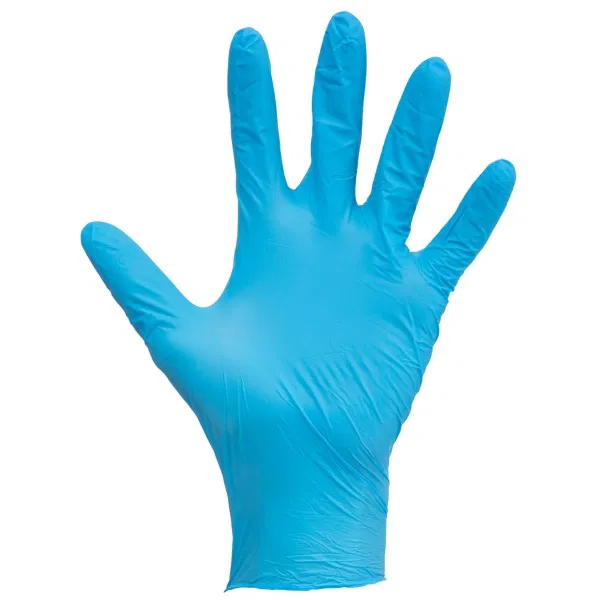
Nitrile gloves are disposable gloves that are made from a synthetic rubber that is resistant to oils. They’re also puncture resistant, which is helpful when slicing food and keeping areas from being contaminated with any blood from the care home chefs. Although these gloves are heavy duty, they are often used in industrial food areas and even hair salons. Nitrile gloves often fit quite snugly, yet have a lot of movement available, so they can be worn for long periods of time. This is ideal when prepping large amounts of food for larger care homes and won’t negatively impact the wearer. As nitrile gloves have a long shelf life, they can be ordered in bulk and kept for when needed. Carers and chefs who suffer from latex allergies are also safe to wear nitrile gloves, as they are latex free.
Latex Gloves
Latex gloves are often seen as the most popular option for food prep gloves, due to the wide use and the fact they are disposable. Their flexibility and strength make them the perfect choice for handling food, especially due to their tightness they are good for handling smaller food objects with precision. However, as previously mentioned, latex allergies are a concern when handling food for chefs and also residents. This is a big downside to using latex gloves in care homes where there may be an allergy present.
Poly Gloves
Made from polythene plastic, poly gloves are known as the thinner gloves of the different types available. This makes poly gloves the perfect choice for light snacks and usage within small food prep such as sandwiches or crackers in care homes. Poly gloves have less resistance in them, so you can easily remove them when you’re prepping, perfect for when you need to change your gloves often.
Vinyl Gloves
Vinyl gloves are seen as the most cost-effective of food prep gloves, making them another popular choice, especially when buying in bulk for care homes. As vinyl gloves are tear resistant, they are great for heavy-duty food prep with less risk of contamination. They also offer powder free choices, which is ideal for food prep, and you can choose different thickness levels to help pick the perfect glove for prepping.
CPE Gloves
CPE gloves are perfect for light food prep and also food handling. Handling food with residents who may have trouble eating food themselves is key, which is where CPE gloves would come in handy, and they are also latex free. They’re an affordable choice for care homes, especially with a large number of residents. CPE gloves are made especially for food prep only, which means they are specialised for this work.
Hybrid Gloves
Hybrid gloves are a blend of compounds that create both vinyl and nitrile gloves, meaning an affordable glove with high durability. As nitrile gloves are quite expensive, hybrid gloves offer a cheaper alternative to them. Hybrid gloves also don’t contain any latex, so are ideal for those with later allergies.
TPE Gloves
TPE stands for thermoplastic elastomer, which is then created into a single use food handling glove. These gloves offer similar elasticity to vinyl gloves and also are very lightweight. Again, this can help when handling small foods within prep. TPE gloves are on the more affordable side, which helps when ordering them in bulk for your care home. TPE gloves also do not contain latex, making them suitable for those with latex allergies.
Which are the Best Gloves for Handling Food in My Care Home?
This all depends on price, which food prep and handling your care home provides, and if you’d like to order them in bulk. Vinyl and hybrid gloves offer a more affordable option, especially if you’re doing light prep work. However, if you need a more durable option for your care home food prep gloves, then nitrile gloves are a good choice. They’re tear and puncture resistant, plus are resistant to oils and fats.
Why Choose Spearhead
 For over 30 years, Spearhead has supported UK care providers with dependable products, friendly expertise and responsive aftercare. See how we listen, understand and deliver on our Why Choose Spearhead page, then talk to us about the specific challenges in your care home. We’ll help you select catering equipment and food preparation products that fit your team and residents.
Visit Our Showroom
 Prefer to see equipment before you bulk buy supplies? You’re welcome to try popular catering and dining solutions first-hand at our dedicated Showroom.
Our specialists will walk you through options for achieving safer serving and dignified dining, so you can make informed choices.
We’re Here to Help
 If you’re having trouble deciding on the best catering and dining options for your care home, our experts have a wealth of knowledge and are happy to discuss your care home needs over the phone.


© 2025 Spearhead. All rights reserved.
This website uses cookies to ensure you get the best experience. Learn more