



Best, Easy-to-Eat Foods for Elderly Patients With No Appetite
22/12/25
Key Takeaways
Prioritise small, frequent, soft, nutrient-dense meals (eggs, yoghurts/custards, blended soups, pies, smoothies) as food for elderly with no appetite.
Create a calm setting. Allow residents to eat together, hydrate between meals, brighten flavours to meals, add light movement for improved digestion, and check dentures/med timings to make eating feel enjoyable again, and not like a chore.
Serve simply: 1–2 items on small plates. Follow a steady daily pattern (breakfast, mid-morning cup of tea, lunch, snack, supper, evening drink).
Use the right kit to make mealtimes easier: non-slip/high-contrast tableware, blenders/masher tools, and safe food service (see Spearhead’s Catering range).
Help Dealing With Loss of Appetite in Care Home Residents
When someone you care for just “doesn’t fancy” food, every mealtime can feel like a hurdle. Appetite loss in older adults is common and can stem from changes in taste, dentition, medication side effects, low mood, or simply reduced energy for eating. The good news? A few smart tweaks to texture, taste and routine, plus the right equipment, can make eating easier and more appealing to those in your care.
Consult Spearhead Healthcare on Catering Equipment
Talk to our experienced care home equipment staff to find the right food prep, tableware, and food serving equipment for making meal time simpler for your patients.
Quick Wins for Elderly with No Appetite
The aim is small portions, soft textures and big nutrition. Try these easy-to-eat options, rotating favourites and serving little and often:
Smooth, protein-rich starters: scrambled eggs with cheese, Greek yoghurt or fromage frais, custard, rice pudding or semolina made with whole milk.
Spoonable meals: creamy soups (blend for added smoothness), cottage pie with extra gravy, soft stews with vegetables cooked until nice and tender.
Fortified sips: milkshakes, smoothies, or hot chocolate enriched with full-fat milk, skimmed milk powder or protein powder if appropriate.
Soft finger foods: mini sandwiches on soft bread (egg mayo, tuna, cream cheese), sliced avocado, ripe banana, soft pears or stewed apple.
Carb comforts: mashed potatoes with butter, soft pasta with creamy sauce, porridge with honey and ground nuts or soft fruit.
Bite-size bakes: mini frittatas, fish cakes, or vegetable patties. All are easy to hold and less intimidating than a full plate of piled up food.
Keep flavours familiar but boost taste with herbs, lemon, or a little extra seasoning if the patient’s salt intake allows it. Offer one or two items at a time on a small plate to avoid overwhelming them.
These ideas are gentle, nourishing foods - an easier workaround for the elderly with no appetite that keeps eating feeling enjoyable and comforting.
How to Increase Appetite in Elderly Residents Naturally: Practical Strategies
A supportive mealtime routine often matters as much as the menu that you offer to residents. These straightforward tactics can nudge appetite in the right direction:
Little and often. Five to six mini-meals or snacks beat three large plates a day. Think “nourishing nibbles” spread through the day as opposed to hefty and heavy meals.
Set the scene. Warm plates, good lighting, a tidy table and minimal noise can all make the act of eating food more appealing. Sitting with the person to eat together often helps, too - no one enjoys eating dinner alone.
Hydrate smartly. Sips throughout the day (water, tea, diluted juice) help prevent dehydration - just avoid allowing the patient to drink too much so that they fill and bloat their stomach right before a meal.
Make chewing effortless. Opt for soft, moist textures and check dentures fit comfortably. Offer sauces and gravies to add moisture.
Turn up the flavour. Ageing can dull people’s taste and smell. Try to brighten up meals with herbs, spices and citrus (basil, cheese, tomatoes, mushrooms, and lemon are all helpful).
Offer choice and control. Offering residents two simple options, for example, soup or eggs, allows them some choice and preference without overwhelming them.
Build a gentle routine. Predictable mealtimes and a short walk or light movement beforehand can stimulate hunger.
Watch for barriers. Dry mouth, constipation or medication timing can dampen appetite. Note patterns and discuss with your clinical team or team leader if needed.
None of this requires radical change, just consistent, thoughtful tweaks that make eating feel easy, dignified and rewarding.
Spearhead Make Mealtimes Easier With the Right Equipment
Great food does the trick better when you have practical, care-ready equipment.
Explore Spearhead’s Catering range to aid your care staff in being able to provide elderly patients with calmer, easier-to-handle meals:
Tableware
 Non-slip mats, high-contrast plates, lidded mugs and lightweight cutlery can dramatically reduce spills and strain, promoting confidence and independence.
Food Preparation
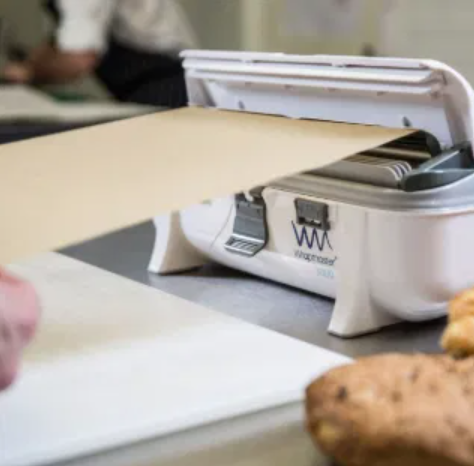 Blenders, mashers and prep tools help you create texture-modified meals quickly and consistently—essential for soft or puréed diets.
Food Service
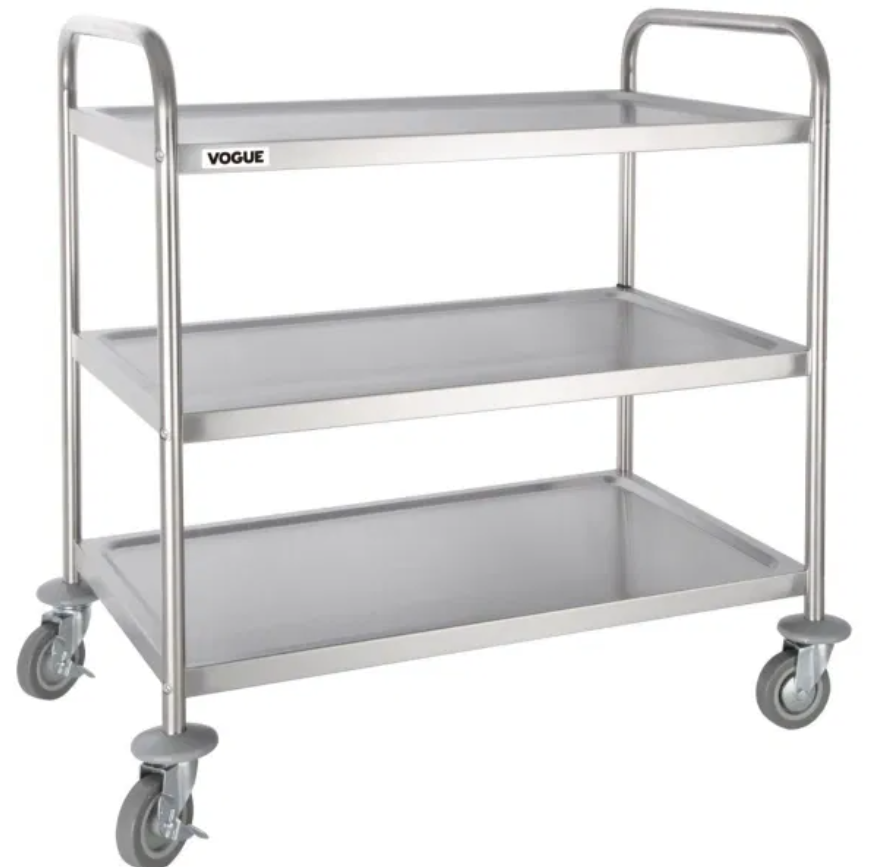 Insulated jugs, portioners and serving trolleys support safe temperatures and smooth, efficient service across your care setting.
The right equipment shortens prep time, supports dignity and keeps nutrition on track, particularly when appetite is fragile or hit and miss.
7-day Inspiration: a Simple Pattern That Works
To keep variety high and waste low, use this flexible template:
Breakfast: porridge with whole milk and honey or yoghurt with soft fruit and granola crumbs.
Mid-morning: milky drink or smoothie and a soft banana or custard pot.
Lunch: blended soup with soft bread and butter or macaroni cheese with peas.
Afternoon nibble: cheese and crackers, avocado toast fingers, or rice pudding and jam.
Supper: fish pie, cottage pie or omelette with well-cooked (ideally steamed) vegetables.
Evening sip: warm cocoa or malted milk drink.
Mix and match to suit preferences - what matters is consistency and calm, not perfection.
Why Choose Spearhead
 For over 30 years, Spearhead has supported UK care providers with dependable products, friendly expertise and responsive aftercare. See how we listen, understand and deliver on our Why Choose Spearhead page, then talk to us about the specific challenges in your care home. We’ll help you select catering equipment and food preparation products that fit your team and residents.
Visit Our Showroom
 Prefer to see equipment before you bulk buy supplies? You’re welcome to try popular catering and dining solutions first-hand at our dedicated Showroom.
Our specialists will walk you through options for achieving safer serving and dignified dining, so you can make informed choices.
We’re Here to Help
 If you’re navigating appetite loss in elderly residents, you don’t have to do it alone. From general advice on food for elderly with no appetite to equipment that simplifies every meal, we’re ready to help you create a calmer, more nourishing routine.
This article provides general guidance only. Always follow individual care plans and seek advice from healthcare professionals regarding specific dietary needs for individual patients.


© 2025 Spearhead. All rights reserved.
This website uses cookies to ensure you get the best experience. Learn more