


A Practical Guide To Pressure Relieving Equipment Use In Care Homes
22/12/25
Key Takeaways
Most pressure ulcers are preventable - pair pressure-relieving equipment in care homes with regular repositioning, skin checks, and good hydration/nutrition.
Match equipment to the person: risk score, mobility, weight/size, micro-climate, environment, and staff skills.
Higher risk/immobile residents: use alternating pressure systems for
Low-medium risk residents: choose high-spec foam mattresses/cushions.
Add positioning wedges and heel/joint protection - manage micro-climate with vapour-permeable covers and minimal bedding.
Document checks, clean, and maintain routinely (foam integrity, pump/filters/tubing).
A Guide to Proactively Preventing Pressure Ulcers and Maintaining Equipment Routinely
Delivering great care isn’t just about supporting mobility and comfort day-to-day; it’s also about avoiding pressure ulcers. Pressure ulcers can develop quickly and have a significant impact on a person’s wellbeing and dignity. The good news? With the right equipment, set-up and routines, care teams can dramatically reduce risk and improve outcomes.
This practical guide explains how to choose and use pressure-relieving equipment in care homes, and where Spearhead’s pressure care range fits into your prevention plan.
Discuss Your Pressure Care Needs Today
A member of the Spearhead Healthcare team is available to discuss your options and provide guidance on pressure care equipment that we supply to care homes.
What Do We Mean by Pressure Relieving Equipment in Care Homes?
Pressure-relieving equipment (sometimes referred to as pressure area care equipment) helps distribute body weight more evenly, reduce peak pressures on vulnerable bony areas, and protect the skin. In a care home setting, this typically includes specialist mattresses and cushions, positioning wedges, heel protection, and joint protection supports.
Used correctly alongside regular repositioning, good nutrition and hydration, and regular skin checks, this type of specialist equipment helps prevent tissue damage, maintains comfort, and supports faster recovery when a resident’s skin is sore or damaged.
Selecting the Right Pressure Relieving Equipment in Care Homes: A Quick Checklist
Choosing equipment should always be user-centred.
A simple checklist for your team:
Risk level: Is the resident suffering from a skin condition or showing symptoms of skin irritation? Do they have any history of skin breakdown?
Mobility & posture: Are they bed-bound, chair-bound, independent, or assisted?
Weight & body shape: Ensure safe working loads and appropriate sizing.
Moisture & micro-climate: Consider incontinence, perspiration and temperature management to help avoid risk of skin irritation.
Care environment: The bed/chair type, hoist usage, and available space.
Staff skills: Ensure everyone is trained to set up, check and adjust equipment properly.
Maintenance plan: Pump checks, foam integrity checks, cleaning routines, and replacement intervals. (Spearhead Healthcare provides leading janitorial supplies for maintaining a hygienic, clinical-grade environment in care homes).
When in doubt, speak to our advisors. We’re happy to help you match products to individual needs and care plans.
Discover Spearhead’s Pressure Care Range
Find everything in one place on our Pressure Care hub
Alternating Pressure Care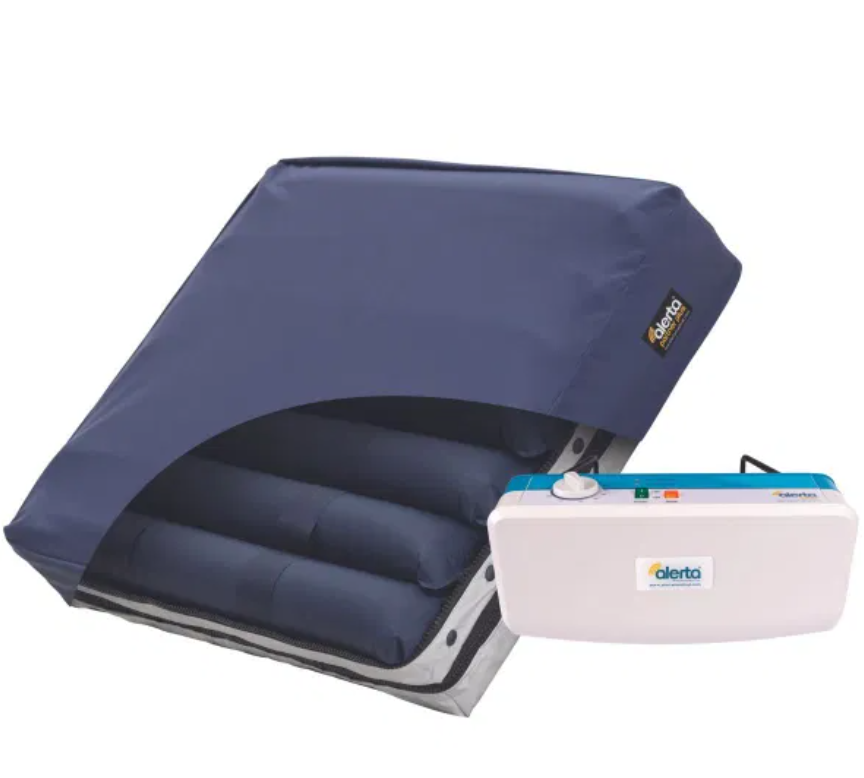 Dynamic alternating air mattresses and cushions use a powered pump to cyclically redistribute pressure, making them ideal for higher-risk residents or those unable to reposition frequently. Our range offers quiet, easy-to-clean pumps with lockable settings and clear indicators.
Foam Pressure Care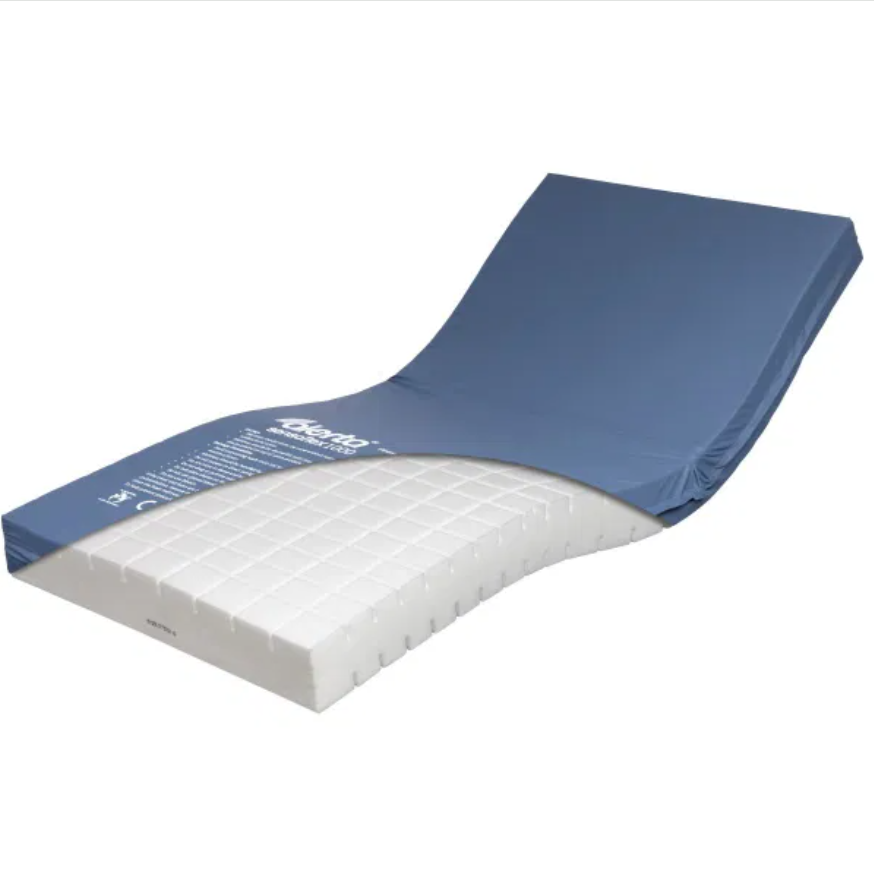 High-specification foam mattresses and cushions are the backbone of prevention for many residents at low to medium risk levels. Multi-layer, castellated or viscoelastic foams help with immersion and envelopment while effectively supporting posture.
Pressure Care Wedges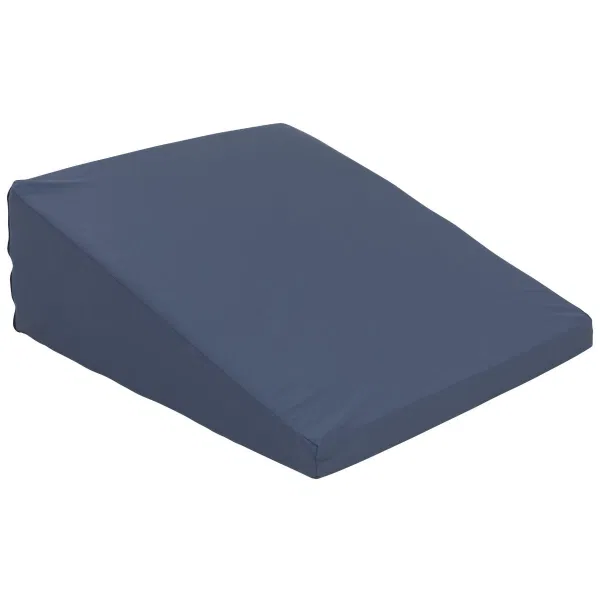 Simple, effective positioning wedges make it easier to offload a resident's sacrum (lower back) and heels, and to maintain consistent alignment without the need for constant manual adjustment.
Joint Protection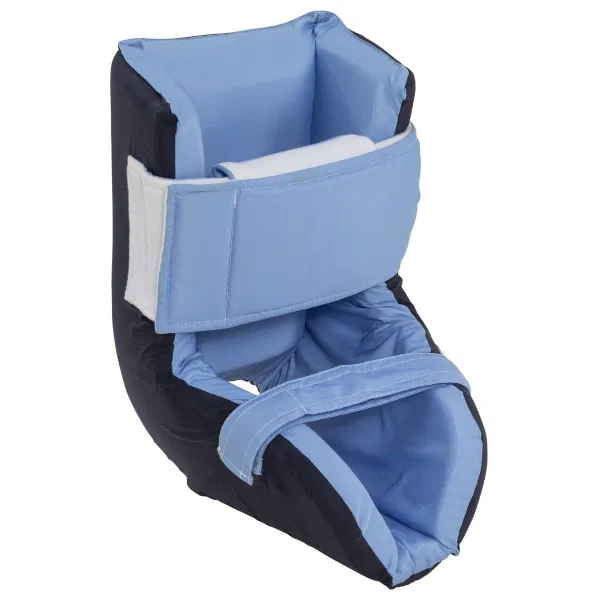 Targeted supports for heels, elbows, and knees prevent localised pressure and friction. This is especially helpful for residents who suffer from muscular contractures or reduced mobility.
Day-to-day Best Practice for Using Pressure Care Equipment
1) Start with a clear set-up
For alternating systems, confirm patient weight is within range, select the correct comfort/firmness setting, and make sure the CPR/transport functions are closed when the mattress is in use.
For foam mattresses, ensure the correct orientation and that bed rails and mattress extenders are compatible and safe.
2) Combine equipment with consistent repositioning
Even the best tech can’t replace a repositioning schedule and that human input - the best prevention is proactive, hands-on care. Use wedges to support a 30-degree tilt and avoid direct pressure on the lower back, hips, and upper thighs where possible.
3) Protect heels and bony joints
Heels are common sites for damage. Use heel offloading devices or joint protection supports to lower the risk of skin sores. Check straps and liners are secure but not constrictive for the user to ensure the best possible comfort.
4) Optimise a micro-climate
Choose covers with vapour-permeable, wipe-clean surfaces. Keep bedding minimal to avoid heat build-up, and change damp linens promptly. Again, the most effective prevention is a result of attention to detail and high level of care.
5) Train and document
Ensure all team members can check pump alarms, tubing, and overlays.
Record skin inspections and any adjustments made to equipment, so all staff know what the situation is from one resident to another when doing their rounds.
Follow the manufacturer’s instructions and your organisation’s training and policies. (This guide is general expert information - always follow local protocols and clinical advice.)
6) Keep it clean and maintained
Adopt a regular cleaning schedule using compatible disinfectants. Inspect foams for bottoming-out and replace if the surface shows wear, tears or loss of resilience. Service pumps and check filters as recommended.
Why Spearhead for Pressure Care?
With decades of experience working alongside UK care providers, we do more than just supply appropriate products. We help you build reliable, compliant care environments for the benefit of residents.
From straightforward foam solutions to advanced alternating systems, our experts listen, understand your challenges, and deliver options that work in real-world settings and for the needs of the individuals you care for.
Discover the Spearhead difference
We Have a Showroom
 Prefer to see and compare pressure care equipment before you buy? Visit the Spearhead Showroom to get hands-on with mattresses, cushions and accessories. Our team can demonstrate set-up, talk through maintenance, and help you choose confidently.
Chat About Implementing Pressure Relieving Equipment in Care Homes
 The right combination of pressure-relieving equipment in care homes, plus good practice, can meaningfully reduce the incidence and severity of pressure ulcers while improving resident comfort and dignity. We strive to provide care providers with the very best equipment that improves the quality of life for the elderly.
If you’d like tailored advice or a fast, no-obligation quote, our friendly team is ready to help.


© 2025 Spearhead. All rights reserved.
This website uses cookies to ensure you get the best experience. Learn more